


Bracelets live where life happens. At the table, on calls, mid-handshake. Always on the wrist, they simply don’t hide like rings or earrings often do, between fingers or hair. They really are the hardest-working piece in your jewellery box.
That in itself presents both an opportunity and a challenge. Get it right, and a diamond or gold bracelet can elevate just about anything you wear, from formals to weekend wear. Discover our top bracelet styling tips below.
How It All Started
Jewellery on the wrist is almost as old as civilization itself. Archaeologists have found gold and gemstone bangles in Pharaohs’ tombs, and even Harappan beads from as early as 5,000 years ago. Even in the West, stacking rings and bracelets was a Victorian-era custom, while modern “arm parties” echo the maximalist style of the 1980s. In many cultures since—from Africa to here in Malaysia—gold bracelets still signify prosperity and continuity.
Yet in spite of this heavy history, the modern take feels light. Refreshingly so. We’re seeing a shift in jewellery away from ceremony toward everyday luxury (perhaps also with a sense of play). One defining moment took place at the 1987 US Open, when pro tennis player Chris Evert famously stopped a match to retrieve her diamond line bracelet. In that very instant, the world saw wristwear through a new lens. Suddenly high jewellery was durable, sporty, and made for real life. This spurred the press to dub the previously known "eternity bracelet" the "tennis bracelet," a name that has defined this popular contemporary style ever since.
Bracelet Styles
Most bracelets fall into a few distinct families:
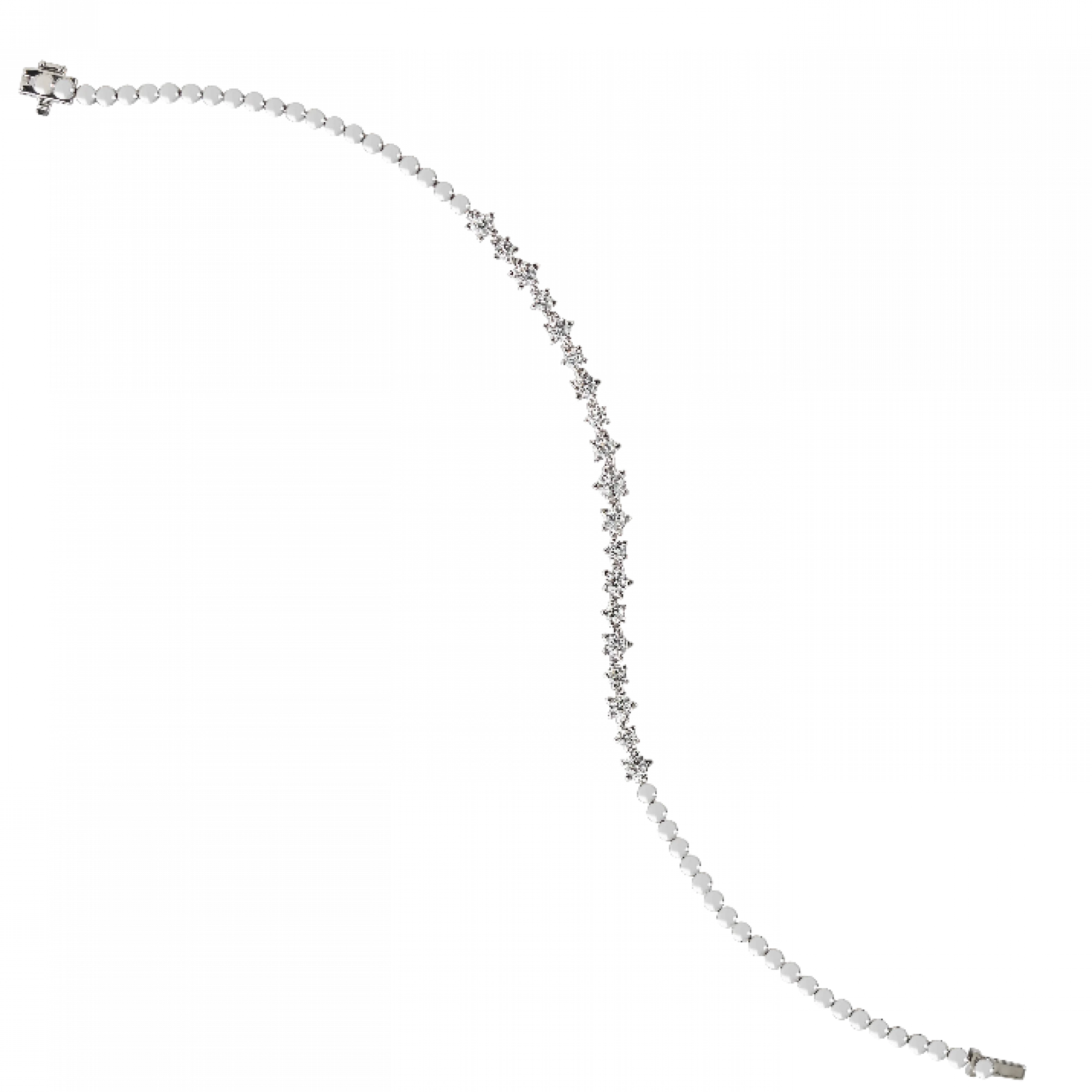
Tennis Bracelets
A single row of diamonds set in gold or platinum, each stone individually mounted (usually prong-set) so light catches every facet. The result is a continuous line of sparkle that moves with your wrist. Tennis bracelets are slim, flexible, and surprisingly versatile. For daily wear, pair your tennis bracelet with a sleek wristwatch; for evening events, let it shine on its own. Dress them up with a suit or down with jeans. Choose white gold for a cool, modern finish or yellow gold for warmth and traditional luxury—both timeless, both unmistakably D&P.
Bangles and Cuffs
These take the opposite approach, solid and structural as they are. Bangles are closed circles that slip over the hand. Cuffs are open-ended, which means no clasp and easy on-off. You can adjust the fit by widening or narrowing the gap. Both styles can be enhanced with layering (widths, textures, metals), though you’ll find that a substantial gold cuff is often all the statement you need.
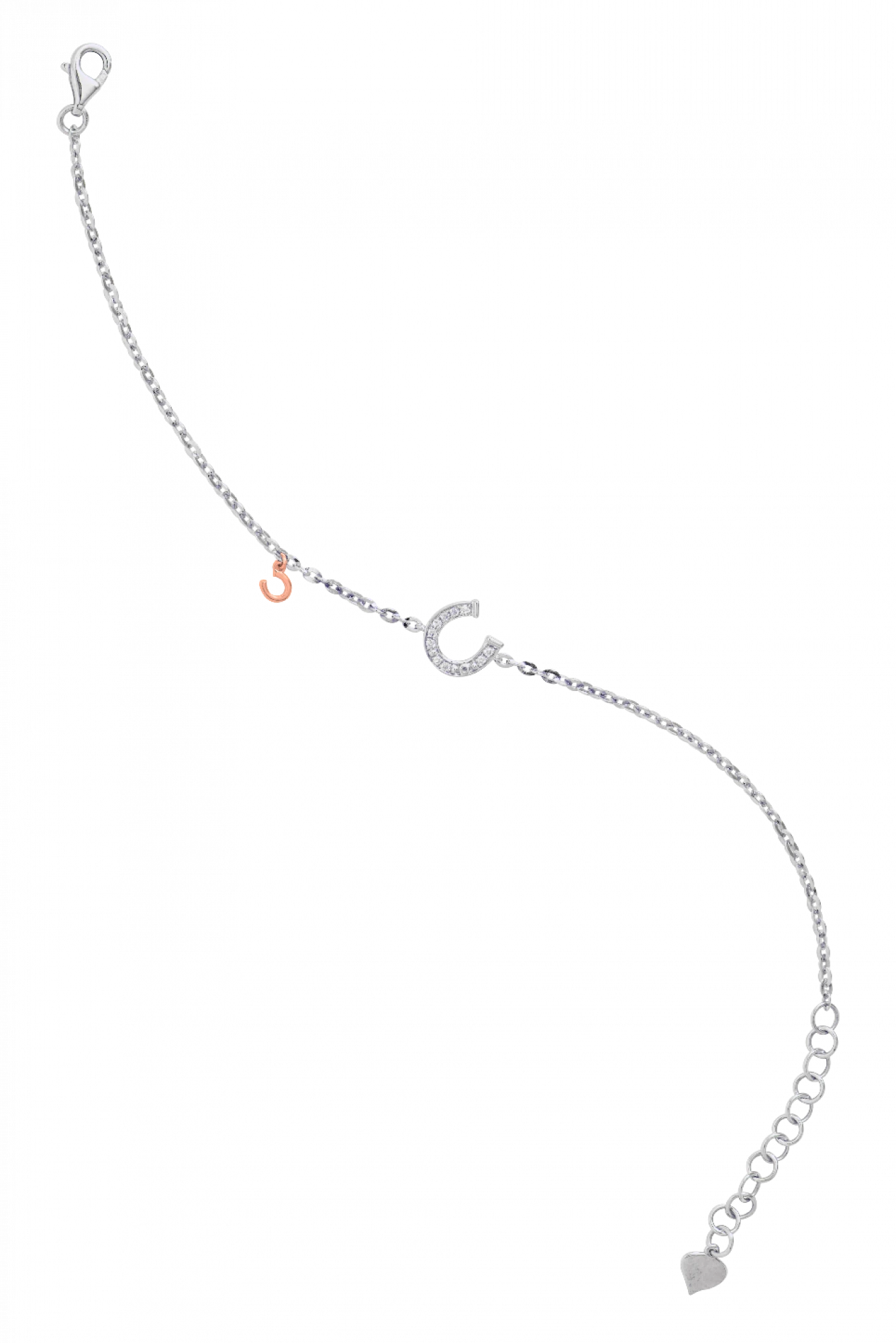
Chain Bracelets
From the delicate to the industrial, chain bracelets are all about texture. Quite often they’re the backbone of a good stack, adding a metallic "crunch" that breaks up the sparkle of diamonds. One attractive characteristic of this type of bracelet is how the links catch light differently depending on thickness and finish. Chain bracelets also present fine opportunities for mixing metals (rose gold with white gold, for instance).
Bar and Nameplate Bracelets
These are great for personalization. A slim gold bar, engraved or plain, sits flat against the wrist. Nameplates spell out initials, dates, words that matter. Both styles are modern and minimal, and will layer well under or over other pieces without competing for attention.
Beaded and Gemstone Bracelets
These can be your pearls, coloured gems, stones, etc. Beaded or gemstone bracelets are typically the more colourful options in a stack. They introduce texture and a more relaxed feel.
Charm Bracelets
The original personalized jewellery. These are often a singular chain hung with pendants, or "charms."
The best bracelets, generally, are workhorses. By this we mean that they should be versatile enough that you can wear anywhere. Professional enough for work, easy enough for everything else. Chain links are the chameleons of the category as they sort of disappear into whatever you’re wearing. Bangles are dressier, while charm or beaded styles can really bring out more distinct personalities.
The more a bracelet fits into how you live, the more likely you’ll use it, and thus the more value you’ll get out of it.
Bracelet Metal Type
The metal you choose shapes everything: colour, durability, cost, and how the piece ages. To help you make a more informed purchase, here are some common precious metals used in bracelets (and their differences):
Yellow Gold
The classic. Yellow gold's warm, honeyed tone suits nearly every skin undertone and pairs naturally with both diamonds and coloured gemstones. It's made by alloying pure gold (which is soft) with copper and silver. The karat number stands for purity: 18K gold is 75% pure gold, 10K is 41.7%, and so on.
In practice, 18K strikes the best balance for bracelets. It’s rich in colour, has reasonable durability, and enough strength to hold stones securely. Lower karats (14K, 10K) are harder and more scratch-resistant, but their colour is paler. Higher purity (22K, 24K) is vivid but sometimes too soft for everyday bracelets.
Yellow gold doesn't tarnish and requires minimal upkeep beyond occasional polishing.
White Gold
White gold delivers the similar cool, silvery look of platinum. This is essentially yellow gold alloyed with nickel and zinc to bleach the colour, then plated with a rhodium finish. White gold is durable and holds diamonds beautifully. Its neutral tone layers well with platinum or silver pieces, and it won't clash with white metals in your watch or rings.
Rose Gold
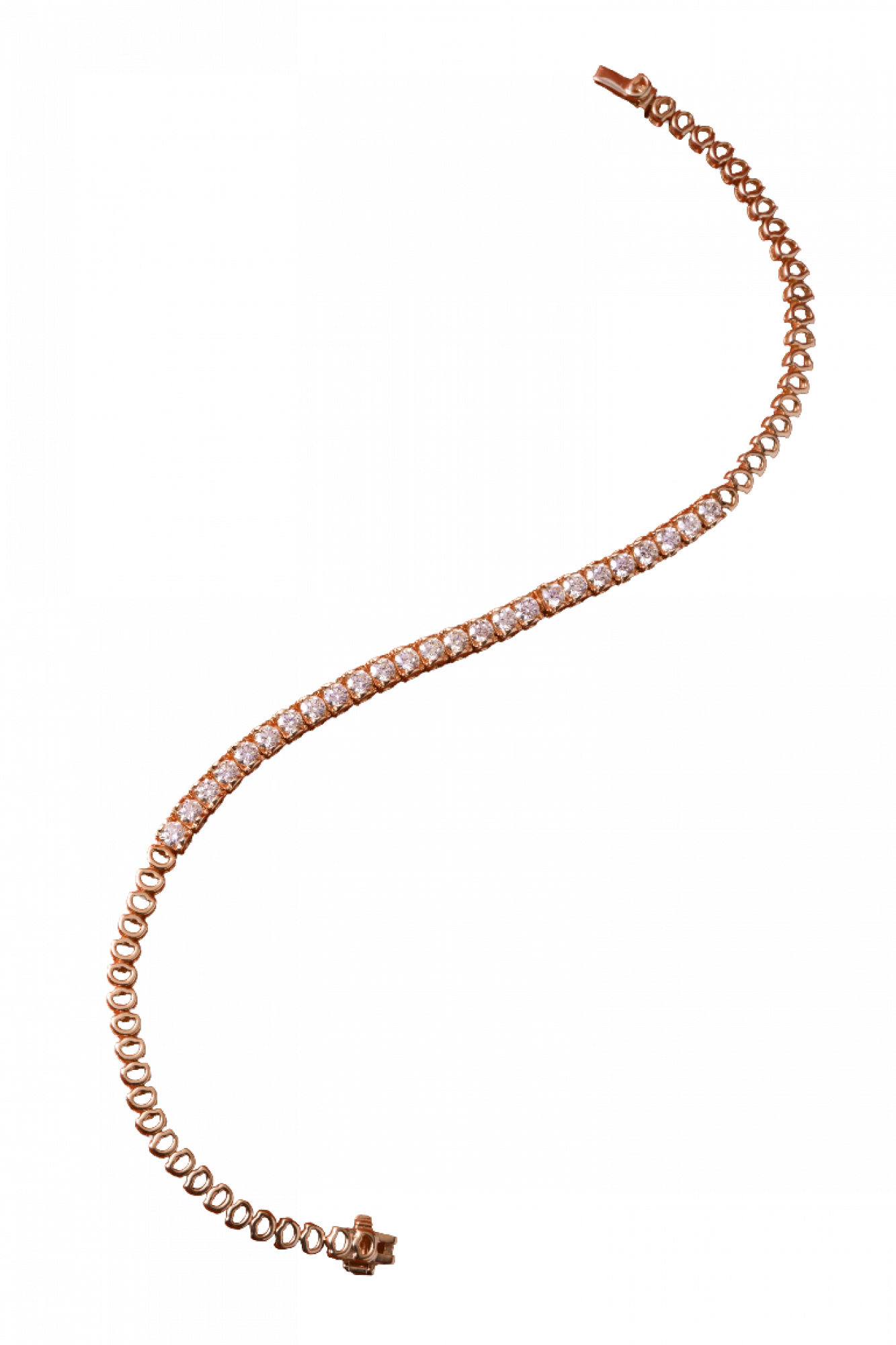
Rose gold has quickly become one of the more popular metals in our collection in the past decade, and for good reason. The alloy—gold mixed with copper—produces a warm blush that adds romance to any purchase.
Rose gold is just as durable as yellow or white (the copper actually makes it slightly harder), and it doesn't require plating. Rose gold is striking with white diamonds, but also pairs especially well with morganite, pink sapphires, and champagne diamonds. It also stacks beautifully with yellow or white gold.
Platinum
The heavyweight champion. Platinum is denser, rarer and the most durable and hypoallergenic metal available. For bracelets (and especially since they see so much friction in their day-to-day), that durability matters. When scratched, the metal moves rather than flaking off, so you lose almost no material over time. Another benefit is that since platinum is naturally white, there's no plating to maintain.
Styling Your Diamond And Gold Bracelets
In 2025, the "wrist stack" has become the primary vehicle for personal expression in jewellery. The market reflects this: searches for "bracelet stack" have increased 575% in the past 5 years alone.
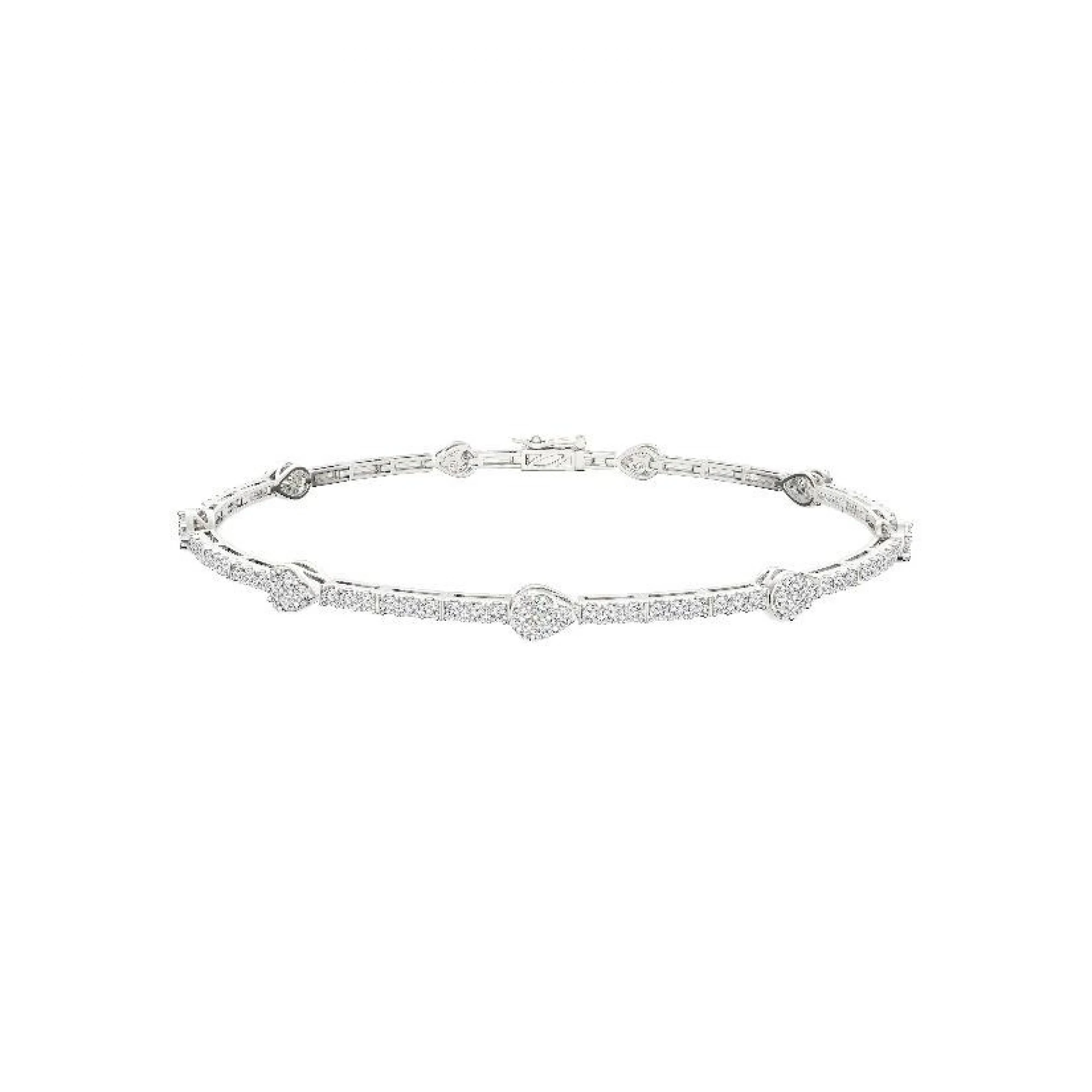
In this avenue there is no combination quite as compelling as a white gold and diamond one. White gold’s neutral tone goes perfectly with diamond’s sharp brilliance. Few pairings in jewellery deliver more visual tension.
However, know that layering is a considered discipline. A heavy hand could quickly clutter. Start with one substantial piece as your anchor—a tennis bracelet or thick bangle works well. From there, play with texture. A smooth tennis bracelet paired with a chain link, for example.
Styling experts universally cite the "Rule of Odds" as the foundational principle of a successful stack. Wearing your bracelets in groupings of three or five forces the eye to move, making the arrangement feel dynamic rather than static. Keep proportions harmonious by grouping similar widths, but don't be afraid to vary diamond cuts or sizes to catch the light in different ways.
If you’re wearing a timepiece, treat it as the anchor sitting higher on the arm. This allows your softer, fluid bracelets to drape casually toward the hand without competing for space.
Though it’s not a rule per se, many prefer wearing bracelets on their nondominant hand to minimize friction against work surfaces. Of course, you could also wear them on both wrists for maximum aesthetic effect.
Engraved & Personalized Bracelets
The right personalization adds depth to a bracelet, enriching its value beyond what you can see or weigh.
What You Can Engrave
Unlike ordinary gifts, engraving a bracelet adds a personal touch that makes it all that more lasting. And fortunately, your options are many. Names and initials will always remain classics. Many of our clients also go with dates that matter: wedding days, birthdays, the day you met. You could also go for coordinates, or short quotes (with some brevity!).
Best Styles For Engravings
The best engravings require clean lines and generous space. Bar bracelets have clean, flat surfaces that are perfect for this. Cuffs, being wider, are also naturally great for text. Nameplate styles are another iconic choice for displaying content that matters. These silhouettes look exceptionally stylish when stacked alongside the textured sparkle of your favourite chain or tennis bracelets.
Best Friend Bracelets
The best friend bracelet has evolved somewhat. Today, they don’t have to match exactly to be meaningful! Today’s styles range from minimalist chains to charm and cuff designs, chosen specifically for the individuals in the friendship. Elegant pieces that complement, rather than copy, each other. Engrave the little things: her initials, special dates, the place everything started. Great for birthdays, Friendship Day, or any moment worth celebrating together.
Caring For Your Diamond And Gold Bracelets
Fine jewellery is made to be passed down. With some care, of course. A few simple habits will keep your diamond and gold bracelets sparkling through the decades.
The "Last On, First Off" Rule
Chemicals found in hairspray, perfumes, and body lotions are the enemies of shine. They can dull the lustre of gold and create a film over diamonds that blocks light refraction. Always finish your beauty routine before fastening your clasp, and remove your bracelets before showering or swimming. Chlorine or saltwater can weaken gold alloys over time.
Store Individually
Diamonds are the hardest natural substance on earth, which you would think makes them easy to store. But there is a strange paradox: while they are resistant to scratches, they will readily scratch your gold bangles or softer gemstones if jumbled together in a box or drawer. So store both your gold and diamond pieces separately, preferably in their own soft fabric-lined compartment.
Clean Regularly At Home
A simple soak in warm water with a few drops of mild dish soap works great. Use a soft-bristled toothbrush (like a baby toothbrush) to gently sweep behind diamond settings where dust and other debris tend to accumulate. Rinse thoroughly and pat dry.
Conclusion
As we’ve explored, the modern bracelet really is meant to be lived in. It should be worn often, layered freely, and mixed with pieces you love.
At Diamond & Platinum, we've spent decades helping Malaysians discover diamond and gold bracelets worth keeping, and passing down. From timeless tennis bracelets to meaningful engraved cuffs, our pieces are crafted to celebrate both the ordinary and special days.
Shop your next bracelet online, or visit our showrooms. Alternatively, collaborate with our design team on something entirely yours. Personalization and lifetime care included.